Project Manager
Control the Process. Protect the Project. Lead the Outcome.
Project Manager
A construction Project Manager is responsible for keeping cost, schedule, contracts, communication, and risk under control.
The PM works across the entire project - aligning with the Superintendent, coordinating the team, making decisions, protecting margin, and identifying problems before they become major impacts.
The role is not just about tracking information.
It is about judgment, accountability, and keeping the project moving when pressure builds.
A strong PM creates clarity, protects the project, and helps the entire team stay aligned around what needs to happen next.
Reality:
The finished building is the visible result. The real work is the control created along the way.
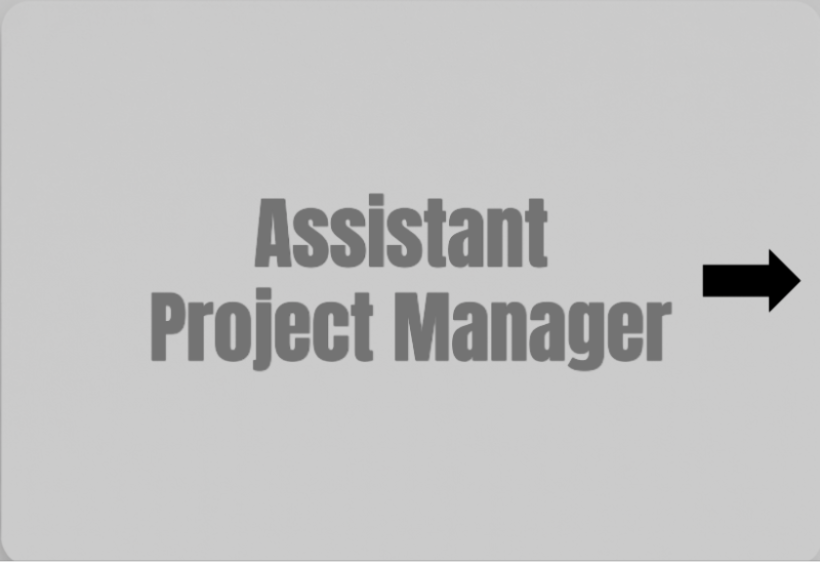
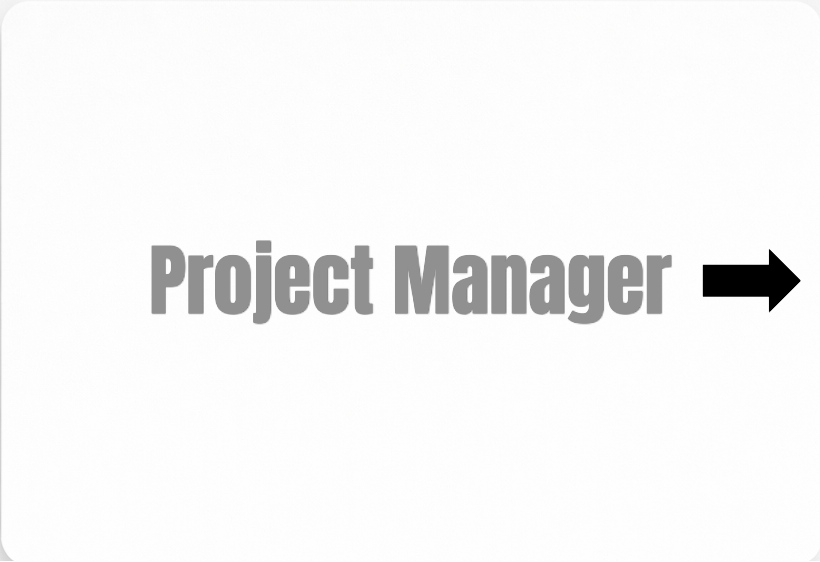

Responsibility Grows as the PM Grows
As Project Managers gain experience, responsibility does not just increase - it becomes more concentrated.
Early on, the focus is often on completing tasks and keeping information moving. As the role develops, the expectation shifts toward ownership, judgment, and outcome control.
Decisions carry more weight. Small misses create larger consequences. Strong PMs become valuable because they learn to see farther ahead.
Risk, cost, schedule, contracts, and communication stop being separate issues. They become connected, and the PM is responsible for understanding how one decision affects the others.
The more responsibility you carry, the more important judgment becomes.
Core Responsibilities of a Project Manager
A Project Manager is accountable for protecting the project across several connected areas:
- Contract Interpretation & Protection
Understand scope, exclusions, responsibilities, and risk before issues surface. - Budget Setup, Buyout & Forecasting
Establish financial control early and understand where cost exposure may develop. - Change Management
Manage RFIs, scope gaps, owner directives, pricing, and documentation with intention. - Schedule Accountability
Understand how time affects cost, sequencing, manpower, and risk — and keep milestones visible. - Risk Identification & Mitigation
Recognize problems early while they are still manageable. - Client & Design Team Communication
Maintain clear, professional communication that protects both relationships and the contract. - Internal Team Coordination
Align the Superintendent, APMs, project team, and leadership around shared priorities.
Reality:
A Project Manager does not control every problem. They control how early the problem is recognized, how clearly it is communicated, and how deliberately the team responds.
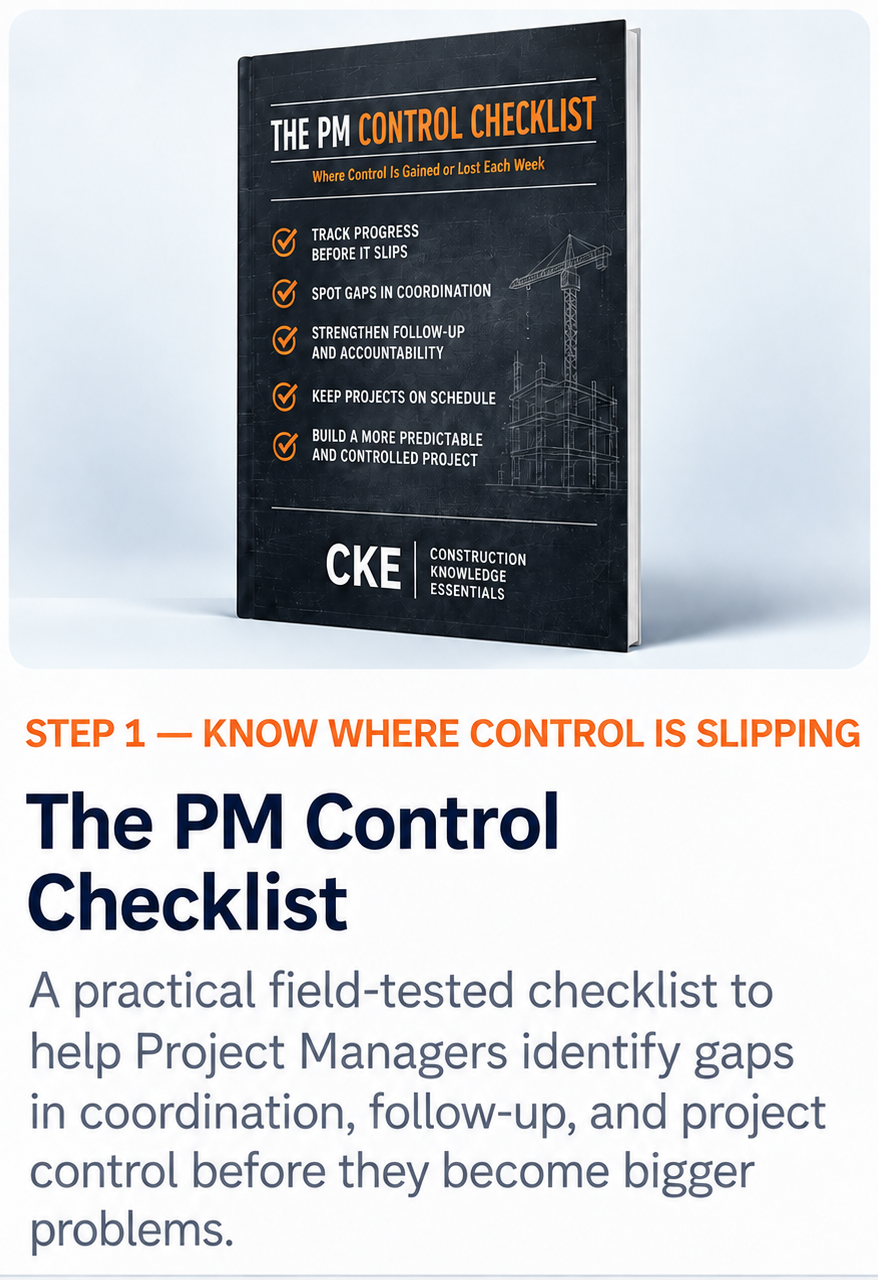
Recommended Training & Resources
There is much more in the Downloads & Courses sections if you want to learn more.

Project Manager
Control the Process. Protect the Project. Lead the Outcome.

Practical resources, career guidance, and training built around real construction experience - for people working in the field, project management, and construction leadership.